
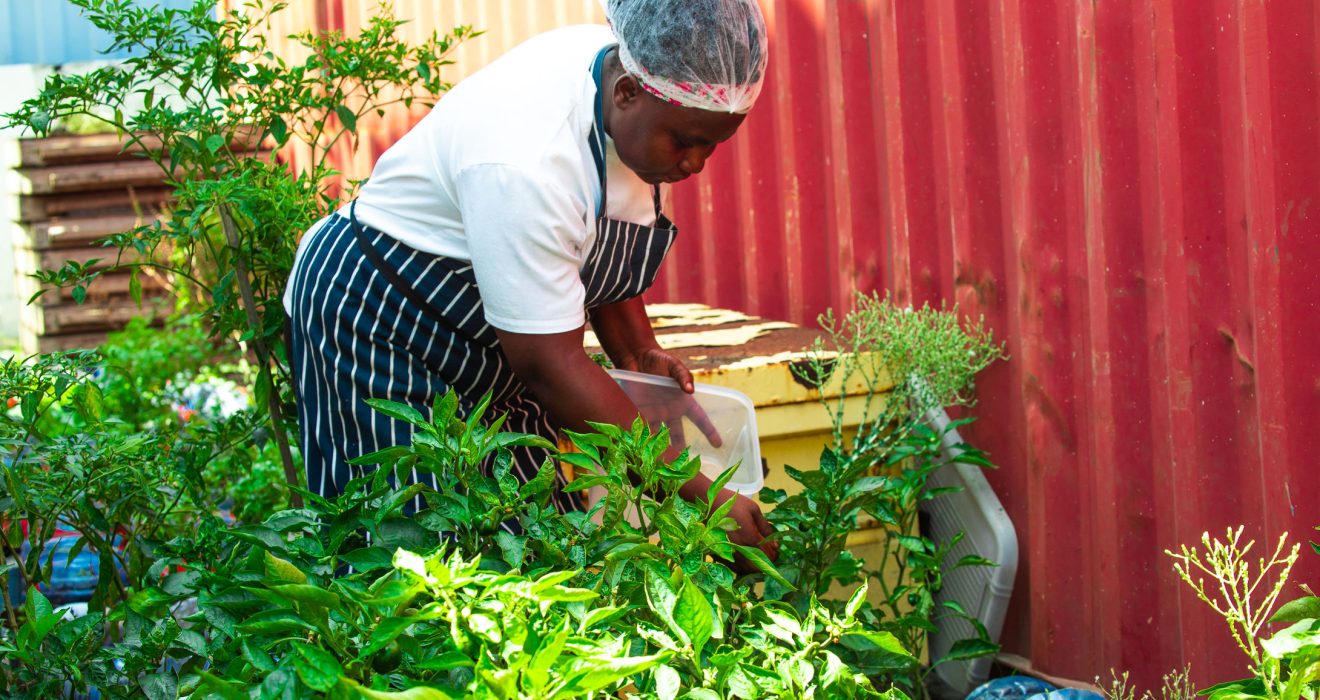
When people talk about sustainable food systems, the first things that usually come to mind are farms, markets, or food processing plants. Fair enough. But one aspect people don’t usually pay attention to is the women behind all of that, doing the work that keeps the whole system going day after day.
Globally, women make up about 43% of the agricultural labour force, and across many parts of Africa, they are at the heart of food production, food processing and household nutrition. Their contribution is not just about producing food. Women are often the ones turning everyday challenges into practical solutions. They preserve harvests to reduce losses, buy locally, compost organic waste, reuse by-products and pass down knowledge that has been built over generations. For many of them, sustainability is not just jargon or a separate project. It is just part of how they work, earn a living and support the people around them.
Agriculture stands as a cornerstone of human survival and economic progress, with women playing an undeniable role from small family farms to large agricultural enterprises. Women are responsible for 60% to 80% of food production in developing countries and close to half of the food produced globally. Undisputedly, women have intimate knowledge of local ecosystems and have continuously applied this knowledge in land management, promoting soil health, water conservation and biodiversity. Understanding the role of women in food transformation is vital to achieving food security, promoting sustainable agriculture and ensuring resilient rural communities.
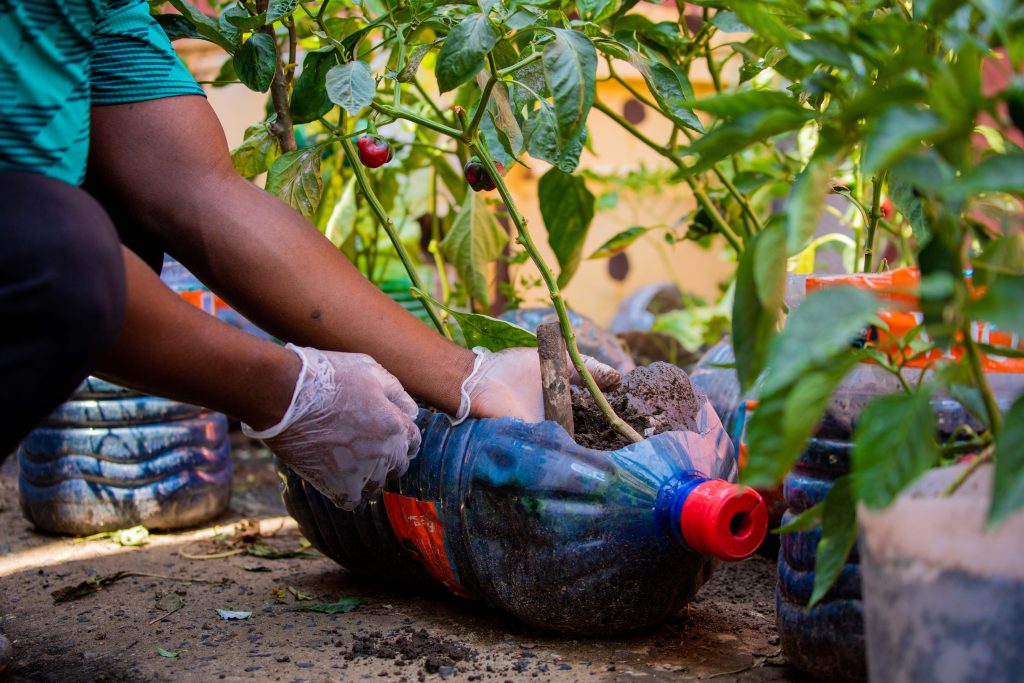
Impact Footprints Africa (IFA) in Action
At Impact Footprints Africa, we have had the privilege of seeing this in real life. Across our programmes, more than 125 women-owned and women-led SMEs have shown what sustainable food value chains can look like when people are already doing the hard work on the ground. They are creating jobs, strengthening local economies and proving that businesses can grow without losing sight of people or the environment. They show us something simple but powerful: when women have the right knowledge, networks and support, they do not just build stronger businesses, they help build stronger food systems too.
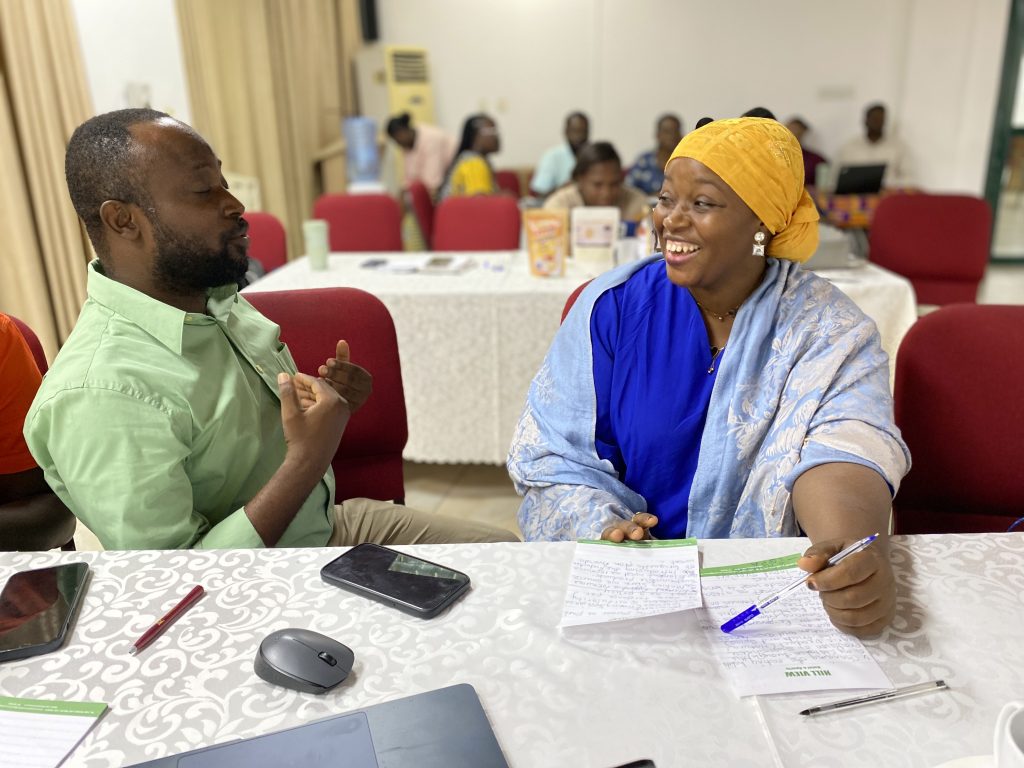
At IFA, we see the food value chain as a powerful driver of both environmental and economic stability. From street vendors to high-end restaurants, every stage from sourcing to packaging has an environmental impact. That is why, through our programmes, we equip women across the value chain with the knowledge and tools to embed circular economy principles in their daily operations.
The women we work with are a testament to what happens when this vision is put into practice:
- Linda Maka (Salbix Foods): Has woven sustainability into the heart of her business. Inspired by the birth of her child, she has developed a low-waste cereal, repurposed fruit peels that would otherwise be discarded, and reimagined her supply chain to minimise waste at every stage.
- Rachael Esi Badu (Mamesh Foods & Catering): Has eliminated single-use plastics and introduced biodegradable packaging, while also educating her community and creating green jobs as her business grows.
- Mrs. Mulalo Royal Nelwamondo (Zehve Trading, South Africa): Runs a circular farming system where waste is reused across production cycles, energy and water use are reduced through solar and efficient irrigation, and customers are incentivised to return packaging for reuse.
Together, these women reflect what IFA exists to build: a generation of women in the food value chain who do not just adapt to a changing world but actively shape it.
The Power of Support and Overcoming Barriers
A big part of this work also belongs to the women who helped bring it to life. From the trainers and subject experts who shared practical know-how, to the delivery partners who kept showing up and helped turn ideas into action, their contribution made a real difference. They did more than run sessions. They helped build confidence, opened up fresh ways of thinking, and gave women-owned SMEs the kind of support that makes growth feel possible, not just something people talk about. In a space like sustainable food systems, that kind of support matters a lot. It is one thing to talk about change. It is another to have people who can walk businesses through the real work of building better systems, solving everyday problems, and staying committed to sustainability even when things get tough. Their role should be part of the impact story too, because a lot of this progress would not have happened without them.
Although inclusion has long been a defining feature of food systems, many of the people who sustain these systems continue to face vulnerabilities that limit their potential. Women, young people, small businesses, and persons with disabilities often encounter barriers to finance, markets, training, technology, and decision-making opportunities, despite the critical role they play across the value chain.
Sustainability also extends far beyond production. It is shaped by what happens after harvesting, through processing, packaging, transport, sales, and food management. These often invisible but essential parts of the value chain are largely driven by women, from reducing food waste and adopting sustainable packaging to creating circular business models.
Building stronger food systems therefore means more than recognising women’s contributions. It means addressing the barriers they face and investing in the knowledge, opportunities, and support they need to thrive. When women are empowered across the food value chain, the result is not only more resilient businesses, but healthier communities, stronger local economies, and food systems that are better equipped for the future.